Posted by Elina Fedotova in DERMASCOPE Magazine on Mar 3rd 2026
Clean, Clear, & Caught Off Guard: What You Think You Know About Sanitation
I. Introduction: The Overlooked Cornerstone of Professionalism
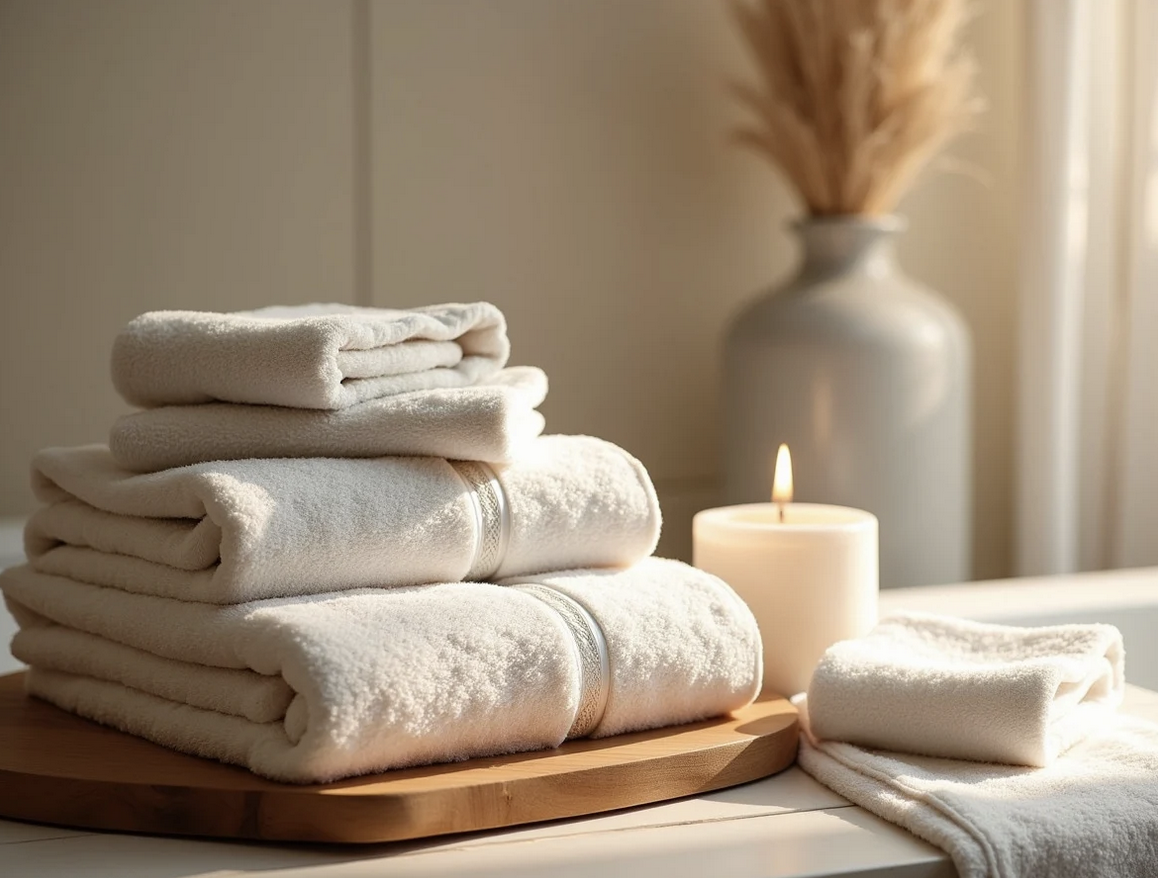
The treatment room is quiet before the day begins. Fresh linens are folded with intention, tools rest in closed containers, and the air carries a subtle brightness—clean, calm, and unmistakably cared for. Before a single product is dispensed or a consultation begins, a series of unseen rituals has already taken place. Surfaces have been wiped, tools and equipment disinfected, towels sanitized, and the space prepared to receive another client.
Clients rarely comment on sanitation. They may not consciously notice the careful handling of tools or the absence of harsh chemical odors, but they feel it. There is a sense of trust that settles in when a space is truly clean—not just visually, but also physically, and even energetically for holistically-minded practitioners. It is the difference between a room that looks polished and one that feels safe.
In professional skincare, sanitation is not optional. It is the foundation of client safety, regulatory compliance, and professional credibility. Yet many practitioners rely on habits formed years ago—assumptions that once passed inspection but no longer reflect current standards or best practices. In an industry that evolves rapidly, sanitation protocols must evolve alongside technique, equipment, and understanding of skin health.
Too often, sanitation is discussed only in the language of rules: what the state board requires, what inspectors look for, what disinfectants are approved. While these regulations are essential, they are only part of the picture. Sanitation is not merely about avoiding penalties—it is about protecting the skin, supporting healing, and honoring the trust inherent in hands-on esthetic work.
The purpose of this article is to examine modern sanitation standards, clarify common misconceptions, and offer practical guidance that supports both compliance and care. When approached thoughtfully, sanitation becomes more than a requirement—it becomes a defining marker of professionalism.
II. The Language of Clean: Defining the Standards
Sanitation begins with shared language. In professional skincare, terms like cleaning, sanitizing, disinfecting, and sterilizing are often used interchangeably, yet they represent distinct actions with different legal and practical implications (EPA, 2025).
Cleaning refers to the removal of visible debris, oils, and product residue from tools and surfaces. While cleaning does not necessarily kill microorganisms, it is a critical first step. Without thorough cleaning, disinfectants cannot work effectively.
Sanitizing reduces microbial levels to a standard considered safe by public health guidelines. This level is commonly applied in food-service environments, but in esthetic settings—where the skin barrier is intentionally disrupted—higher levels of microbial control are often required.
Disinfecting involves destroying most microorganisms on nonporous surfaces using EPA-registered products. In professional skincare, reusable tools must be cleaned first and then disinfected according to label instructions, including approved surfaces and required contact time.
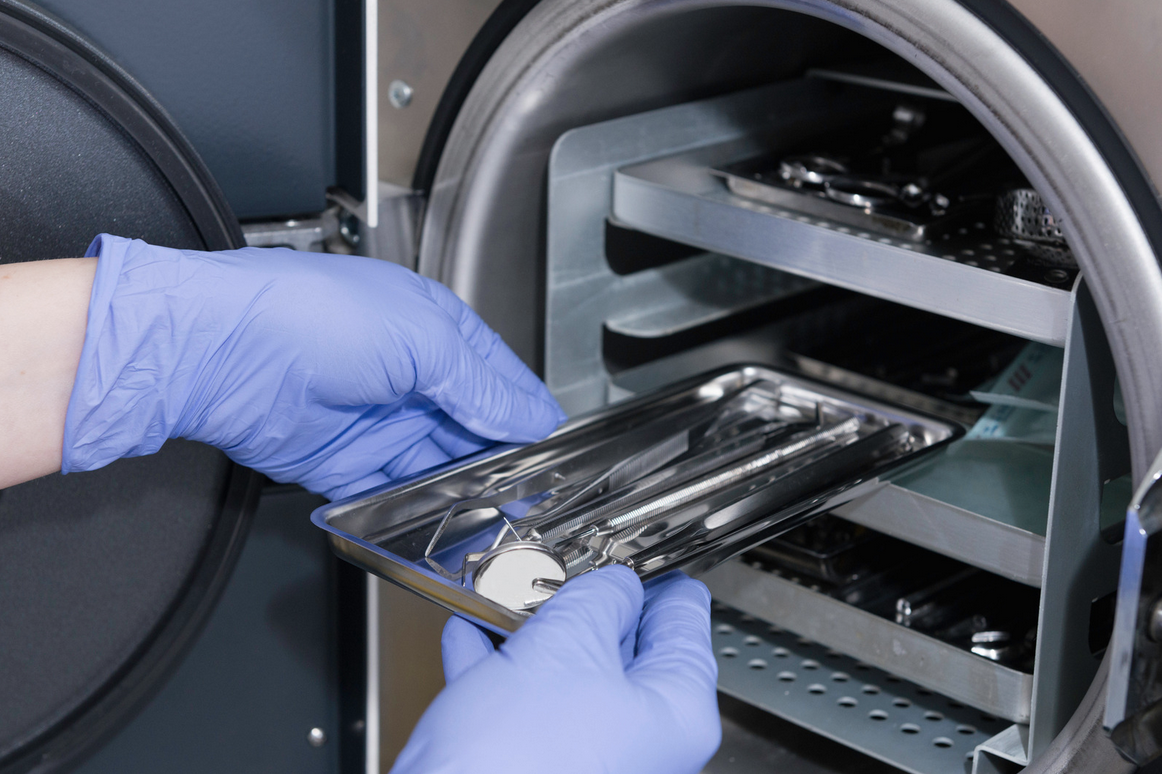
Sterilization is the highest level of microbial control, eliminating all forms of microbial life, including spores. Tools that penetrate the skin must be sterilized using approved methods such as autoclaves or steam sterilization equipment.
Using these terms correctly matters. They influence written protocols, inspection outcomes, insurance coverage, and liability. A surface that appears clean may still be unsafe if proper procedures are not followed. Sanitation is procedural—not visual.
III. The Gaps: Common Sanitation Missteps in Professional Settings
Most sanitation failures are not intentional. Even experienced professionals can unknowingly fall short of current standards through habit, assumption, or outdated routines.
1. Improper Contact Time
Many EPA-registered disinfectants require surfaces or tools to remain visibly wet for a specific duration to be effective. Spraying and immediately wiping a surface does not meet disinfection standards and renders the product non-compliant with EPA regulations (EPA, 2025).
2. Misuse of Single-Use Items
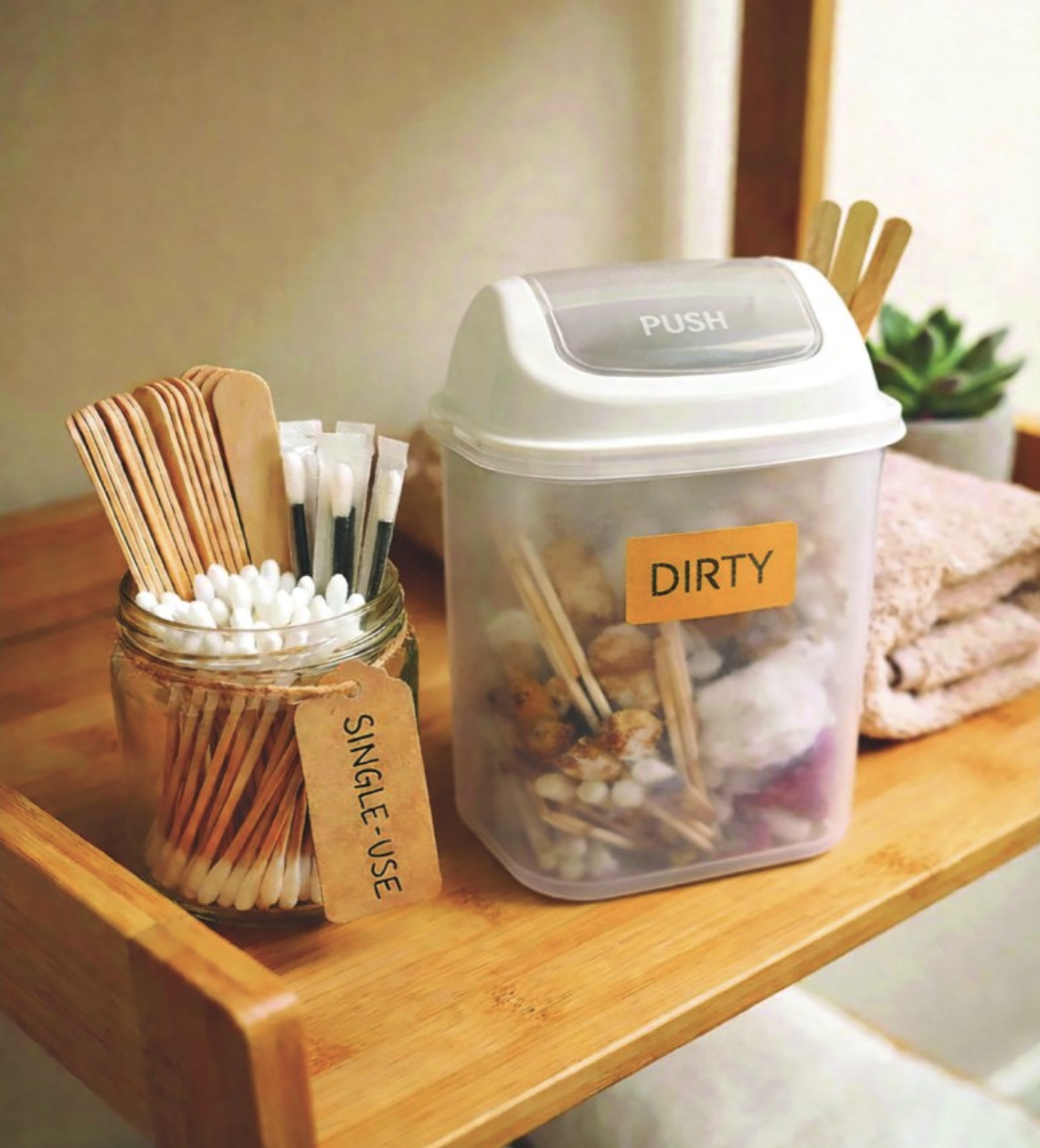
Items labeled “single-use”—such as wooden spatulas, cotton swabs, or disposable applicators—must never be reused. Attempting to disinfect these items increases cross-contamination risk and typically violates state board sanitation rules. Also, any items exposed to blood or other bodily fluids (like cartridges from microneedling and other “sharp” tools) are required to be placed in a Sharps Disposal Container for safe collection and disposal.
3. Cross-Contamination Risks
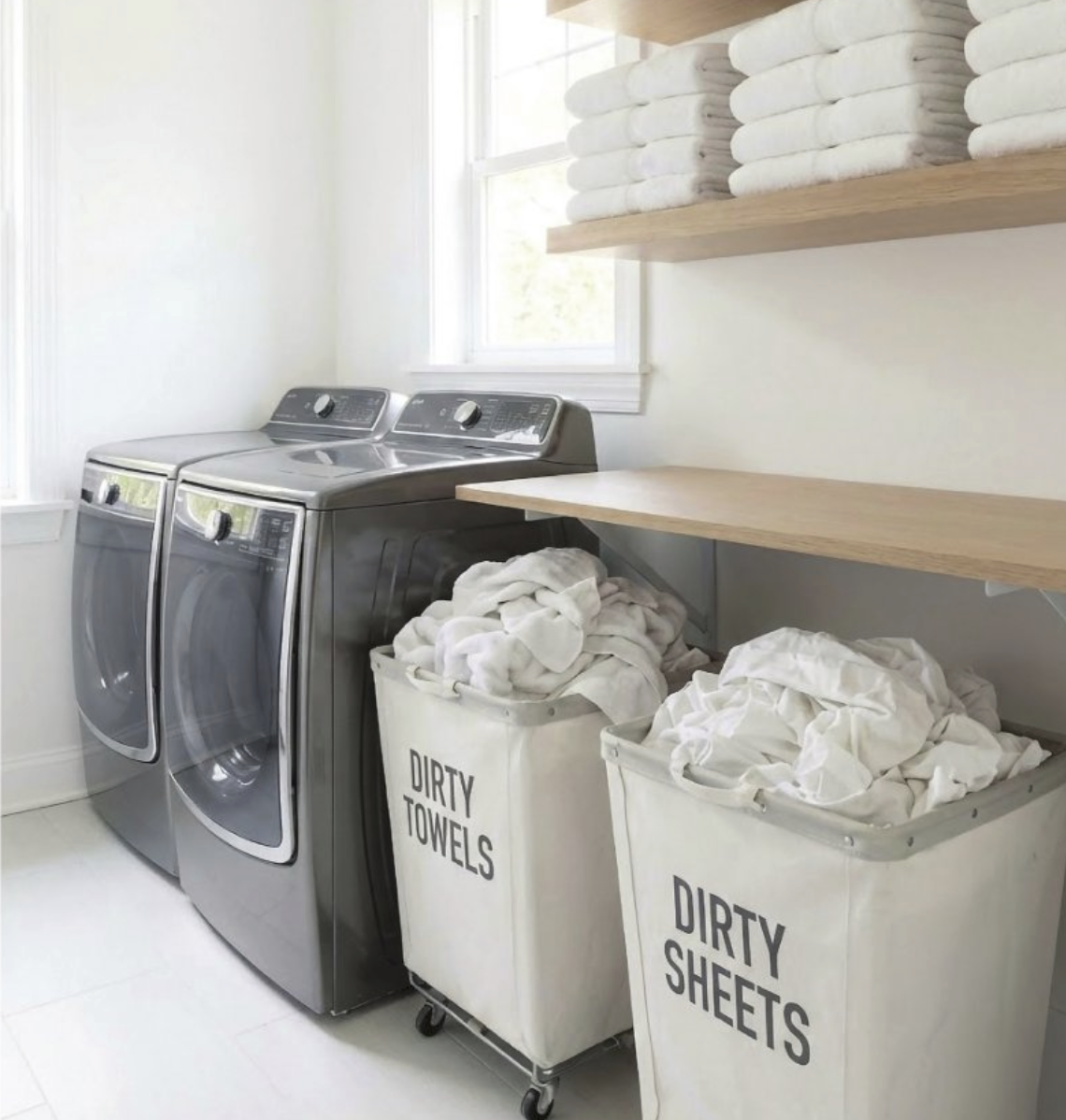
Towels, tools, and devices are among the highest-risk vectors for microbial, viral, and fungal transfers. Clean and used items must always be stored separately. It is important to label the separate containers for clean and used items so they are not accidentally co-mingled, and ensure that both containers have a lid that tightly closes.
4. Expired or Improperly Stored Products
Disinfectants lose efficacy when expired, improperly diluted, or stored incorrectly. A product that appears usable may no longer perform as expected, creating a false sense of security (EPA, 2025).
5. Inconsistent Staff Training
Even well-designed protocols fail without consistent implementation. Regular retraining ensures that all staff understand current requirements, proper product use, and documentation expectations.
6. Overlooked Surfaces and Equipment
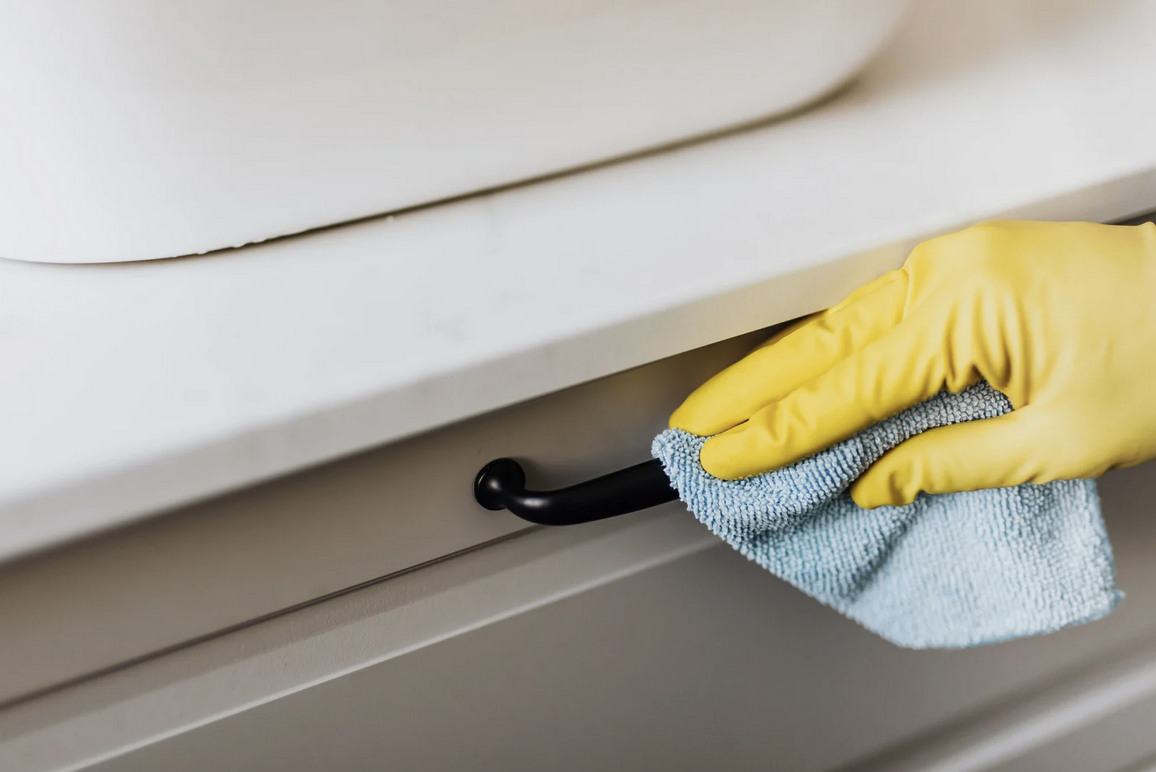
High-touch surfaces—door handles, light switches, lamps, magnifying lights, and remotes—are frequently missed during routine sanitation. Lamps, in particular, sit within the client’s breathing zone and should be disinfected thoroughly on both sides. Steamers should also be disinfected weekly to prevent fungal growth.
7. Complacency and Routine Shortcuts
Relying on “it looks clean” is one of the most common sanitation errors. True sanitation is procedural. Regular audits and documentation help prevent shortcuts before they become risks.
IV. Regulatory Reality Check
Sanitation in professional skincare is governed by multiple regulatory bodies. State boards of cosmetology and esthetics establish sanitation requirements for licensed professionals and facilities, including tool disinfection, linen handling, and storage protocols.
In the United States, the Environmental Protection Agency (EPA) regulates disinfectants as pesticides. Any product claiming to kill bacteria, viruses, or fungi must be EPA-registered and used exactly as directed on the label. Using a disinfectant outside its approved instructions is a violation of federal law (EPA, 2025).
The Occupational Safety and Health Administration (OSHA) oversees workplace safety, including practitioner exposure to chemical irritants and unsafe handling practices. Repeated exposure to harsh disinfectants without proper ventilation can affect practitioner health over time (OSHA, 1999).
International professionals should follow local health authorities or regulatory agencies. While structures vary, the core expectations remain consistent: validated products, documented protocols, staff training, and accountability.
Non-compliance can result in fines, failed inspections, license suspension, or legal liability. Documentation is often the determining factor—not only whether sanitation is performed, but whether it can be verified.
V. Product Knowledge: When Labels Mislead
Marketing language can be misleading in professional skincare. Terms such as “hospital grade” or “professional strength” do not guarantee legal compliance in an esthetic setting, even though they may seem reassuring.
EPA registration is the non-negotiable baseline. Any product claiming to kill bacteria, viruses, or fungi must be EPA-registered, meaning it has been evaluated for efficacy, safety, and proper use instructions (EPA, 2025). Each registered disinfectant carries a unique EPA registration number, which professionals should verify against official EPA listings. Professionals should also look at the approved surfaces, dilution ratios, and required contact times before relying on any disinfectant.
As demand for cleaner and more natural products grows, many professionals are tempted by DIY disinfectants or “green” solutions that lack regulatory validation. While these products may align philosophically with organic values, they do not meet sanitation standards unless supported by EPA registration and verified efficacy data (EPA, 2025). This does not mean that organic spas must compromise their values. It means that sanitation products must meet regulatory standards first, and then be evaluated for toxicity, residue, odor, and long-term exposure effects.
For example, alcohol-based disinfectants remain widely used due to their effectiveness. Research comparing disinfectants has shown that 70% isopropyl alcohol demonstrates strong antimicrobial activity on nonporous surfaces, outperforming lower concentrations of ethanol in some cases (Gouda et al., 2020). However, repeated exposure matters. Studies examining skin barrier effects indicate that ethanol may be better tolerated than isopropyl alcohol with frequent use, causing less disruption to epidermal enzymes associated with barrier integrity (Cartner et al., 2017). For organic and holistic spas, this distinction matters. While both alcohols can be effective disinfectants when properly formulated and registered, ethanol—often derived from food-based sources—may offer a gentler option for environments where repeated skin contact and inhalation are unavoidable.
Product choice also affects the longevity of tools and equipment. Some disinfectants, like chlorine or ammonium, can corrode metal implements, degrade plastics, or cloud magnifying lamps over time. This can compromise both sanitation effectiveness and professional presentation. Informed selection balances efficacy, residue, odor, tool longevity, and practitioner exposure—without compromising compliance. When sanitation products are chosen with intention, they support both compliance and care.
VI. The Human Factor: Habits, Complacency, and Continuing Education
Sanitation protocols are only as effective as the people implementing them. Over time, familiarity can erode vigilance, even among highly experienced professionals. Continued education is essential and fosters a culture of accountability. Quarterly or annual refreshers reinforce correct procedures, incorporate new research, and address emerging pathogens. Staff who understand why each step matters, beyond simply “following the rules,” are more likely to implement protocols consistently.
Visible sanitation practices reinforce client confidence. When clients observe practitioners washing hands between services, properly handling tools, and maintaining tidy, organized treatment areas, trust is reinforced. Professionalism in skincare includes creating an environment where clients feel safe, cared for, and confident that the practitioner respects both their health and the integrity of the service.
The human factor is not just a risk—it is an opportunity to differentiate a spa or esthetic practice. Consistently trained, vigilant, and conscientious staff turn sanitation from a regulatory requirement into a competitive advantage. Clients remember spaces that feel clean, fresh, and attentive. Staff feel empowered when they understand their role in protecting both clients and themselves. And business owners reinforce their professional reputation by fostering a culture where sanitation is a shared responsibility, not a burden.
VII. From Policy to Practice: A Modern Sanitation Protocol Checklist
Creating a safe, professional, and compliant spa environment requires more than understanding regulations—it demands a practical, actionable plan that staff can follow consistently. The following checklist combines regulatory guidance, research-backed sanitation principles, and holistic spa considerations, offering a comprehensive framework for everyday practice.
1. EPA-Registered Disinfectants
Always verify that disinfectants are EPA-registered for salon or spa use (EPA, 2025).
Confirm the registration number, approved surfaces, and dwell time before first use.
Avoid DIY or “green” disinfectants unless efficacy is validated and approved by the EPA.
Maintain a log of disinfectant product use, including date, dilution, and expiration.
2. Pre-Soaking and Cleaning Tools
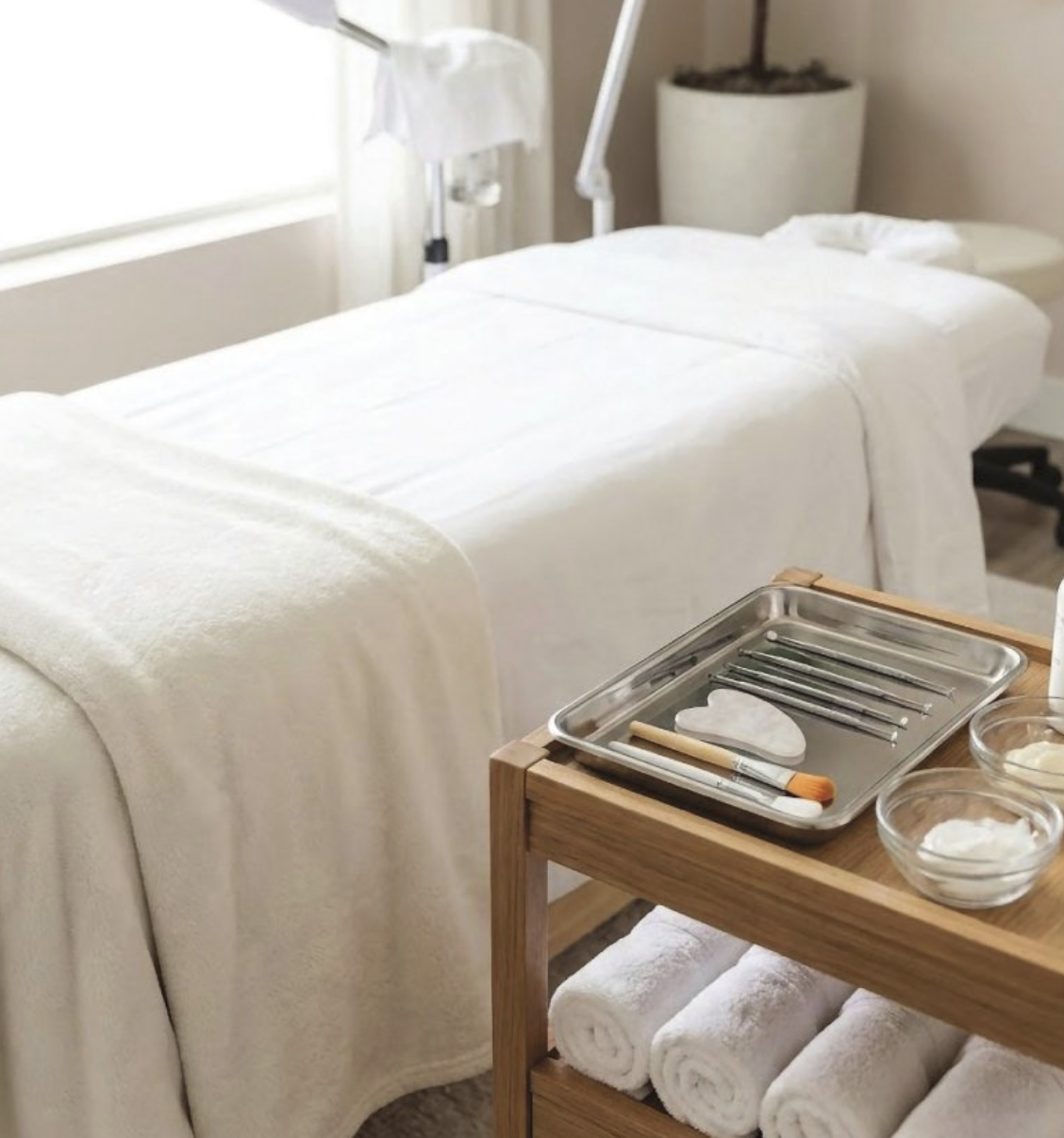
Immediately after use, place non-disposable tools—such as extractors, gua sha tools, dermaplaning scalpels, and brushes—into a lidded container filled with water and antibacterial soap. Pre-soaking prevents product residue and organic matter from hardening, allowing for more effective cleaning later.
After pre-soaking, tools must be thoroughly washed to remove all visible debris and product residue. Residual matter can interfere with the efficacy of disinfectants.
Before proceeding, tools should be separated by material. Metal and glass tools require different sanitation methods than brushes, wood, or plastic implements, and must be handled accordingly to maintain both safety and tool integrity.
3. Disinfecting and Sterilizing Methods
Prior to disinfection or sterilization, wet tools should never be placed in dark or enclosed containers. Moisture and darkness create ideal conditions for microbial growth.
Metal tools—such as extractors or reusable dermaplaning devices—pose the highest risk for cross-contamination due to their direct contact with the skin. Whenever possible, disposable alternatives (such as q-tips for extractions) should be used. When metal tools are necessary, they must be placed into a lidded container with water and antibacterial soap immediately after use. At the end of the service, tools should be washed, then disinfected using an approved solution (such as Barbicide), or processed in a professional autoclave for high-level heat sterilization. Once disinfected, tools must dry completely and be stored in a dry UV sanitizer or tightly sealed sterile container.
Heat-sensitive tools—such as brushes, plastic applicators, wooden implements, and similar materials—should not be autoclaved. Instead, disinfect these items using approved liquid disinfectants, like Barbicide, or alcohol-based solutions. After drying completely, place them in a dry UV-sanitizing box and store in an airtight container until their next use.
Equipment attachments—including electrodes used for high-frequency, microcurrent, or vacuuming devices—should never be submerged in liquid. Disinfect the head, wires, and entire electrode using EPA-approved wipes or sprays, ensuring all surfaces are addressed. Once dry, store attachments in a UV sanitizing unit or a clean, dry container with a tight-fitting lid to prevent airborne contamination.
4. Towels, Linens, and Compresses
Sheets, towels, and compresses should only be used for one client before being removed and sanitized.
Launder towels and linens on a sanitizing heat cycle. Polyester and cotton both require high temperatures to ensure pathogen elimination (Tano 2014, Sehulster 2015).
Store clean towels in closed, dry containers. Dirty towels should also be kept in separate, closed containers. Label the clean and dirty containers accordingly.
For services using compresses or cloths, ensure they are washed and sanitized between clients using the sanitizing cycle on the washing machine and products containing hydrogen peroxide or bleach, based on local requirements.
5. Treatment Room Surfaces
Wipe down all high-touch surfaces (beds, lamps, counters, light switches, remotes) with EPA-approved sanitizing wipes.
Lamps must be disinfected on both sides to account for client breathing proximity.
Drawers, cabinets, and storage areas should be periodically wiped clean and maintained dry to prevent mold and microbial growth.
Skincare products used during treatment should be kept in easily dispensable containers, like bottles with pump tops. If the product is in a jar, it’s extremely important to use disposable spatulas and immediately close the jar after use to prevent oxidation and contamination.
6. Air Sanitation
Diffuse essential oils with proven antibacterial properties—such as clove, cinnamon, or orange—especially during flu season (Bailey 2021).
Use UV lamps to sanitize air in treatment rooms or common areas. Recommended exposure: 15 minutes several times per day, ensuring the unit is used according to manufacturer instructions.
Air filters and vents in the spa, as well as air conditioning and heat systems, should be regularly cleaned and maintained to prevent airborne particles and dust.
7. Single-Use Items and Recyclables
Use single-use items as intended—never reuse.
Recyclable versions of disposable tools like q-tips or spatulas reduce bacteria transfer and are better for our planet.
Maintain separate containers for used single-use and reusable items to prevent cross-contamination or accidental reuse of single-use items.
8. Staff Training and Documentation
Document all sanitation protocols, including cleaning schedules, tool sterilization, and staff certifications.
Retrain staff quarterly or annually, updating protocols with new regulations, products, or pathogen concerns.
Encourage audits to ensure compliance and correct minor lapses before they become risks.
9. Client-Facing Measures
Perform visible handwashing before and after client contact.
Keep treatment areas organized, clean, and free of clutter.
Communicate safety and sanitation practices to clients subtly—trust builds when hygiene is both performed and visible.
10. Continuous Monitoring
Audit sanitation practices regularly, adjusting protocols for new research or regulatory updates.
Track stock, expiration dates, and efficacy of disinfectants regularly.
Monitor staff adherence and address lapses promptly.
Sanitation in professional skincare is more than a checklist or regulatory obligation—it is a visible expression of care, expertise, and professionalism. Every meticulously cleaned tool, every properly laundered towel, every disinfected surface signals to clients that their health and safety are paramount. In this sense, sanitation defines not only the technical quality of a service, but also the integrity and credibility of the professional delivering it.
IX. Conclusion: The Standard That Defines Professionalism
Sanitation is measurable, regulated, and tangible—but it is also deeply human. It reflects the attention, care, and intentionality that define a skilled professional. Annual audits, continuous education, thoughtful product selection, and clearly documented protocols are not burdens—they are investments in reputation, client trust, and professional longevity. True expertise is demonstrated not only through advanced modalities or luxurious products, but through consistent adherence to validated protocols.
The standard of cleanliness is, ultimately, the standard of care. By committing to rigorous, consistent sanitation practices, skincare professionals not only meet legal and safety requirements—they demonstrate true mastery of their craft.
References
Bailey, E. S., Curcic, M., Biros, J., Erdogmuş, H., Bac, N., & Sacco, A., Jr. (2021). Essential oil disinfectant efficacy against SARS-CoV-2 microbial surrogates. Frontiers in Public Health, 9, 783832.
Cartner, T., et al. (2017). Effect of different alcohols on stratum corneum kallikrein 5 and phospholipase A2 together with epidermal keratinocytes and skin irritation. International Journal of Cosmetic Science, 39(2), 188–196.
EPA. (2025). Selected EPA-registered disinfectants. U.S. Environmental Protection Agency.
Gouda, S., et al. (2020). Comparison of effectiveness of 70% isopropanol, 65% ethanol and 1% chlorhexidine for stethoscope decontamination. Journal of Pure and Applied Microbiology, 14(3), 2053–2062.
OSHA. (1999). Standard interpretations. Occupational Safety and Health Administration.
Sehulster, L. M. (2015). Healthcare laundry and textiles in the United States: Review and commentary on contemporary infection prevention issues. Infection Control & Hospital Epidemiology, 36(9), 1073–1088.
Tano, E., & Melhus, A. (2014). Level of decontamination after washing textiles at 60°C or 70°C followed by tumble drying. Infection Ecology & Epidemiology.
ELINA FEDOTOVA BIO:
Elina Fedotova is the Founder and Chief Formulator of Elina Organics. She is also an award-winning cosmetic chemist, master and celebrity licensed esthetician, and President of the Association of Holistic Skin Care Practitioners (AHSCP), which she founded in 2007. For over twenty-five years, Elina has created organic, seasonal, and liposome-encapsulated formulations that naturally deliver clinical results. Each product is lovingly formulated by Elina herself to deliver essential nutrients deep into live skin cells to support the skin's protective properties and microbiome at the same time. She uses holistic principles and food-grade organic ingredients from around the world in each product. Elina handmakes her professional skincare line using small-batch production in her Michigan and Florida-based laboratories. The entire product line is available online at www.ElinaOrganics.com, in skincare spas, and medical offices. Elina continues to personally offer her unique, holistic skincare treatments to clients who come to her Florida and West Michigan spas.